DAFNE+ fair creative content distribution
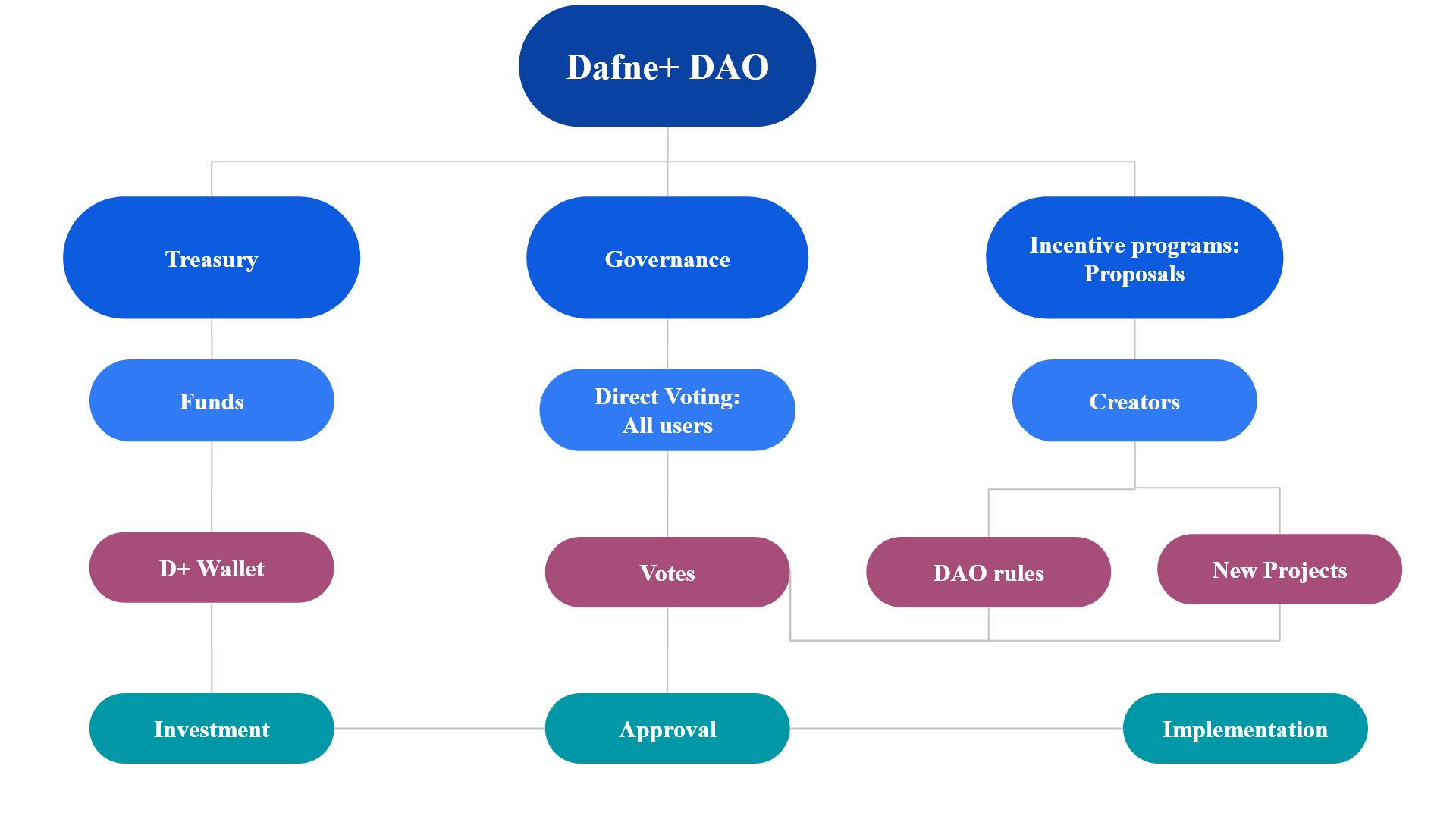
Funded by the European Commission under the Horizon 2020 programme, DAFNE+ brought together a ten-partner multidisciplinary consortium across academia, industry, and the cultural sector to build a decentralized infrastructure for fair content distribution, empowering creators through blockchain-enabled collaboration and monetization tools.
As the Principal Investigator for the FabCity Foundation, I directed the project’s research responsibilities, leading the system evaluation, data analysis, revenue model development, and results exploitation planning. These efforts culminated in two critical strategic outputs: the Revenue Models for the Platform document, which delivers a distinct business plan positioning DAFNE+ within the European digital market while enhancing creative sector monetization, and the Exploitation Report, which establishes the essential sustainability strategies and actions to ensure the platform’s long-term institutional impact beyond the project’s official lifecycle.
Read more about how Web3 can support digital content distribution and the present status.

Master in Design for Distributed Innovation
In 2024, I proudly joined the lecturer team for the Master in Design for Distributed Innovation (MDDI)—a pioneering educational program co-developed by the Fab City Foundation, Fab Lab Barcelona, and the Institute for Advanced Architecture of Catalonia (IAAC) to train changemakers in designing sustainable, globally connected, and locally productive cities.
Tasked with designing and delivering a comprehensive, one-week workshop titled “Flows of Value in Distributed Ecosystems,” I am delighted to share an overview of our intensive first day.
The opening session established foundational context by examining the shift from Product-In, Trash-Out (PITO) to Data-In, Data-Out (DIDO) frameworks, open data, and resilient infrastructures. This initial day laid the basics for the remaining workshop sessions, exploring value flows through the Resource-Event-Agent (REA) model and insights from the Reflow EU project.
Students engaged with practical simulations regarding Digital Product Passports and value distribution scenarios, while also analyzing real-world case studies—including the Interfacer ERDF Hamburg initiative, creative workflows, and ‘The Precious’ stool use-case—setting a strong foundation for their final presentations.
Building the digital infrastructure for Fab Cities
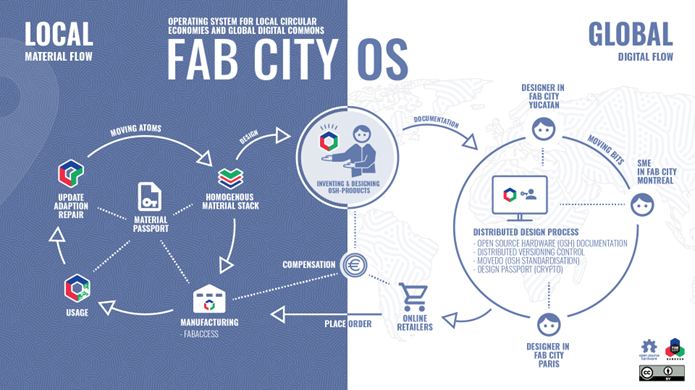
During Interfacer – a project funded by the Hamburg region via the ERDF program – together with the Dyne.org colleagues, we focused on developing a modular, highly customizable open-source software system. Our goal was to create an initial application that any Fab City, Fab Lab, or like-minded organization can adopt, activate, and configure for their local needs. Named Fab City Operating System (FCOS), the software’s ongoing mission is to reorganize globalized value-creation systems and establish sustainable, synergetic production processes worldwide.
Serving on the technical coordination team, I led the final technical review I’m proposing as fallows:
The project profoundly shaped my vision for alternative economic systems and continues to guide my professional direction viewing it as a tangible contribution to a systemic change. Read more about these insights in The Invisible Infrastructure article.
For a more human friendly concept presentation, you can visit the ‘official’ video of the platform!
From Product-In, Trash-Out (PITO) to Data-In, Data-Out (DIDO) concept by FabCity Foundation:


DecentraLizEd Data Governance for nExt geneRation internet
LEDGER was an EU-funded project, empowering innovators to solve complex problems using decentralized systems like blockchain, peer-to-peer networks, and distributed ledger technologies. The initiative was driven by an ambitious vision: to shift data management toward alternative economic, regulatory, and technical models that preserve digital sovereignty. In this ecosystem, data becomes a common good owned by citizens, ensuring that the wealth created by data-driven platforms is equally distributed.
As a Technical Mentor, representing the Dyne.org foundation, I worked hand-in-hand with the second and third cohorts (18 teams), guiding them to build Minimum Viable Products (MVPs) and services. Together, we embedded core values like privacy-by-design, decentralized data governance, reliability, and openness into their foundations. This rich experience ultimately culminated in a comprehensive toolkit for distributed grant projects. It maps out the entire process—including our methodologies, opensource infrastructure and tools, key lessons learned, and best-in-class human-centered MVPs:
Working safe online guidelines
Back in 2020, I collaborated with Digital Citizens Romania to figure out how we could best help citizens and the third sector navigate the sudden rise of online activity across all areas of life. Following these consultations, we developed a comprehensive guideline based on core security principles to maximize our impact.
Digital Citizens Romania is the first Romanian Digital Think-Tank, a network of expertise that brings together policy experts, digital innovators, researchers and digital enthusiasts!
You can check and download the guideline, both in English and Romanian: